According to the U.S. Department of Justice (DOJ), federal investigators conducted an extensive review of the Michael Brown shooting and separately examined policing practices within the Ferguson Police Department. The DOJ’s findings became one of the most significant federal examinations of local law enforcement in recent American history.
- Who Was Michael Brown?
- Ferguson, Missouri Before the Shooting
- Events Leading to the Michael Brown Shooting
- August 9, 2014: Timeline of the Shooting
- Public Reaction in Ferguson
- Ferguson Protests
- Civil Unrest and Property Damage
- National Attention
- The Grand Jury Investigation
- Grand Jury Decision
- Department of Justice Investigation
- DOJ Findings on the Shooting
- Separate DOJ Findings on Ferguson Police
- Darren Wilson Resigns
- Impact on the Black Lives Matter Movement
- Media Coverage and Public Debate
- Changes in Policing After Ferguson
- Key Facts About the Michael Brown Case
- Why the Case Remains Important?
- Lessons Discussed by Researchers and Policymakers
- Final Thoughts
- FAQs
The Michael Brown shooting and Michael Brown death remain among the most influential events in discussions about policing, race relations, and criminal justice in the United States. What began as an encounter between an 18-year-old man and a police officer on a Ferguson street quickly became a national story that sparked protests across the country and influenced public policy debates for years.
Who Was Michael Brown?
Michael Brown Jr. was an 18-year-old recent high school graduate living in Ferguson, Missouri, a suburb of St. Louis.
| Detail | Information |
|---|---|
| Full Name | Michael Brown Jr. |
| Date of Birth | May 20, 1996 |
| Age at Death | 18 years |
| Date of Death | August 9, 2014 |
| Location | Ferguson, Missouri |
| High School | Normandy High School |

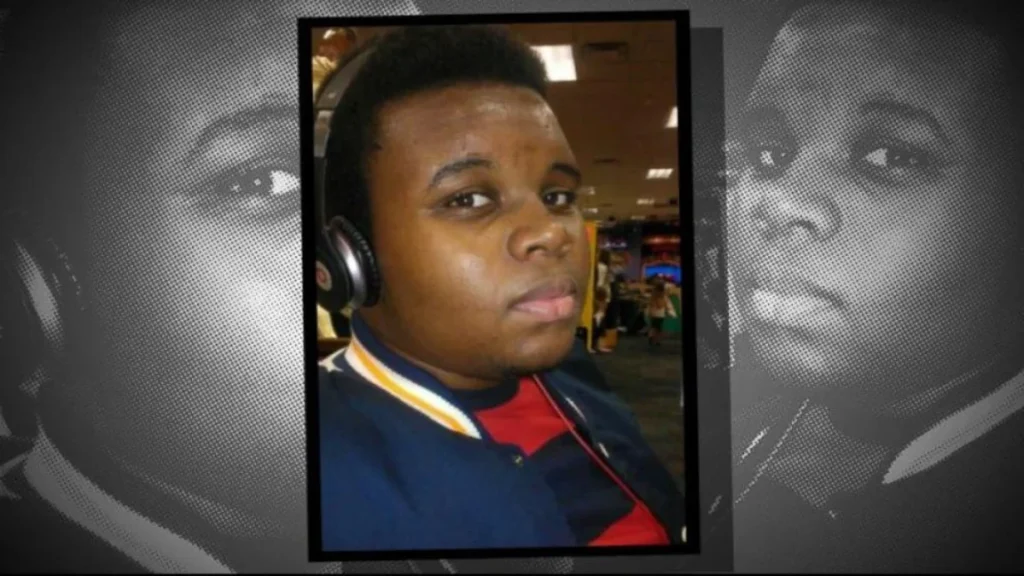
Friends and family described Brown as a young man preparing for the next phase of his life. He had recently graduated from high school and planned to attend a technical college.
Ferguson, Missouri Before the Shooting
To understand why the incident gained national attention, it is important to understand Ferguson’s demographics and political environment.
In 2014:
- Ferguson’s population was approximately 21,000 residents.
- Roughly 67% of residents were Black.
- Most city leadership positions were held by White officials.
- Community concerns existed regarding policing practices and municipal court operations.
These conditions created tensions that became highly visible after the shooting.
Events Leading to the Michael Brown Shooting
On the morning of August 9, 2014, Michael Brown and his friend Dorian Johnson were walking in Ferguson.
Shortly before the encounter with police, Brown was identified as a suspect in a convenience store incident involving the alleged theft of cigarillos.
At the time Officer Darren Wilson encountered Brown and Johnson, Wilson reportedly did not initially know Brown was a suspect in the convenience store incident.
August 9, 2014: Timeline of the Shooting
Approximately 11:50 a.m.
Officer Darren Wilson observed Michael Brown and Dorian Johnson walking in the street on Canfield Drive.
Wilson instructed the two men to move onto the sidewalk.
An interaction followed.
Initial Encounter
Accounts differed regarding what happened next.
According to Wilson:
- Brown approached the police vehicle.
- A struggle occurred through the driver’s side window.
- Brown attempted to gain control of Wilson’s firearm.
Some witnesses provided differing descriptions regarding the struggle and sequence of events.
Gunshots Near the Police Vehicle
Evidence reviewed by investigators indicated that at least one shot was fired while Brown was near Wilson’s police SUV.
Physical evidence later confirmed that Brown was close to the vehicle when that shot occurred.
Brown Runs Away
Following the initial struggle, Brown moved away from the vehicle. The exact distance varied among witness accounts, but evidence showed Brown moved down the street. Wilson exited his vehicle and pursued Brown on foot.
Final Confrontation
The most disputed portion of the incident involved the moments immediately before the fatal shots. Some witnesses initially stated Brown had his hands raised. Others reported Brown was moving toward Wilson.
Physical evidence and forensic analysis became central to determining what happened during these final seconds.
Michael Brown’s Death
Officer Wilson fired multiple shots. Michael Brown was struck several times. He died on Canfield Drive shortly after the shooting.
The death of an unarmed Black teenager immediately drew attention from local residents and national media. Images from the scene circulated rapidly online and on television networks.
Public Reaction in Ferguson
Community members gathered near the scene within hours. Many residents expressed anger, frustration, and grief.
Questions quickly emerged:
- Why was Brown shot?
- Could the shooting have been avoided?
- Was excessive force used?
- Were race and policing factors involved?
These concerns fueled demonstrations across Ferguson.
Ferguson Protests
Protests began almost immediately after Brown’s death. Large crowds gathered daily. Many demonstrations remained peaceful.
Participants called for:
- Greater police accountability
- Independent investigations
- Criminal justice reform
- Transparency in police operations
Signs, marches, prayer gatherings, and community meetings became common throughout Ferguson.
Civil Unrest and Property Damage
Although many protests were peaceful, some nights involved violence and property damage.
Several businesses experienced:
- Broken windows
- Looting
- Fires
- Vandalism
Law enforcement agencies responded with tactical units and crowd-control measures. Images of armored vehicles and heavily equipped officers received widespread media coverage. Many observers questioned whether the police response escalated tensions.
National Attention
The Michael Brown shooting became a national story within days. Major media organizations provided continuous coverage.
Political leaders, civil rights organizations, and community activists traveled to Ferguson. Among those speaking publicly were:
- President Barack Obama
- Attorney General Eric Holder
- Civil rights leaders
- Religious leaders
- Local community organizers
The Grand Jury Investigation
A St. Louis County grand jury reviewed evidence related to the shooting.
The grand jury examined:
- Witness testimony
- Physical evidence
- Forensic reports
- Medical findings
- Officer Wilson’s testimony
The process lasted several months.
Grand Jury Decision
On November 24, 2014, prosecutors announced the grand jury’s decision. The grand jury declined to indict Darren Wilson.
This meant criminal charges would not be filed against the officer. The announcement led to renewed protests in Ferguson and cities across the United States.
Department of Justice Investigation
The U.S. Department of Justice conducted a separate federal investigation. Federal investigators reviewed:
- Physical evidence
- Ballistics
- DNA evidence
- Autopsy findings
- Witness statements
The federal review involved thousands of pages of documentation.
DOJ Findings on the Shooting
In March 2015, the DOJ announced its findings. Federal investigators concluded there was insufficient evidence to prove beyond a reasonable doubt that Wilson violated federal civil rights laws.
The DOJ reported that physical evidence generally supported Wilson’s account of the encounter.
Investigators determined that witness accounts varied significantly and that some statements were inconsistent with forensic evidence.
Learn More: What Weapons Can a Felon Possess?
Separate DOJ Findings on Ferguson Police
While the DOJ did not pursue federal charges in the shooting case, a separate investigation into the Ferguson Police Department reached different conclusions regarding broader policing practices.
The DOJ found patterns that raised serious constitutional concerns.
The report identified issues involving:
- Racial disparities
- Municipal court practices
- Enforcement policies
- Community trust
These findings increased pressure for reforms.
Darren Wilson Resigns
Following the grand jury decision and ongoing controversy, Darren Wilson resigned from the Ferguson Police Department in November 2014.
Wilson stated that he believed his continued employment could create additional tensions within the community.
Impact on the Black Lives Matter Movement
The Michael Brown death significantly increased national awareness of the Black Lives Matter movement. Although Black Lives Matter began before Ferguson, the events of 2014 accelerated its growth.
The movement focused attention on:
- Police use of force
- Racial inequality
- Criminal justice reform
- Community oversight of law enforcement
In the years that followed, demonstrations occurred in numerous cities after other high-profile police encounters.
Media Coverage and Public Debate
The shooting generated extensive debate. Several major questions dominated public discussions:
Police Accountability
Many advocates called for stronger oversight mechanisms.
Body Cameras
The case contributed to growing support for police body-worn cameras.
Use-of-Force Policies
Departments across the country reviewed training and force guidelines.
Community Relations
Police agencies increased efforts to improve trust with residents.
Changes in Policing After Ferguson
Many law enforcement agencies implemented reforms following Ferguson.
Examples included:
Expanded Body Camera Programs
Thousands of departments adopted body-worn cameras.
De-escalation Training
Officers received additional training focused on reducing confrontations.
Data Transparency
Departments increased reporting on police encounters and use-of-force incidents.
Community Policing
Many agencies expanded neighborhood engagement programs.
Key Facts About the Michael Brown Case
| Fact | Detail |
|---|---|
| Date of Shooting | August 9, 2014 |
| Location | Ferguson, Missouri |
| Age of Michael Brown | 18 |
| Officer Involved | Darren Wilson |
| Grand Jury Outcome | No indictment |
| Federal Charges | None filed |
| DOJ Civil Rights Investigation | Conducted |
| National Protests | Yes |
| Major Policy Impact | Police reform discussions nationwide |
Why the Case Remains Important?
The Michael Brown shooting remains historically significant because it influenced:
- National discussions about race.
- Police reform initiatives.
- Federal oversight of local policing.
- Community-police relations.
- Social justice activism.
- Media coverage of police encounters.
- Expansion of the Black Lives Matter movement.
Few local incidents have had such widespread political, social, and cultural effects.
Lessons Discussed by Researchers and Policymakers
Scholars and public policy experts frequently point to several lessons from Ferguson:
- Transparency matters during investigations.
- Community trust requires consistent engagement.
- Clear communication reduces misinformation.
- Data collection improves accountability.
- Police training influences outcomes.
- Public confidence depends on fairness and legitimacy.
Universities, think tanks, and government agencies continue to study these issues.
Final Thoughts
The Michael Brown shooting and Michael Brown death marked a turning point in modern American public discourse. The incident led to extensive investigations, widespread protests, policy discussions, and a renewed focus on the relationship between law enforcement and communities across the United States.
Although investigators reached conclusions regarding the legal aspects of the case, public debate continues over broader issues involving policing, accountability, racial equity, and public trust. More than a decade later, Ferguson remains a reference point in discussions about criminal justice reform and civil rights, demonstrating how a single local event can shape national conversations for years to come.
FAQs
When did Michael Brown die?
Michael Brown died on August 9, 2014, in Ferguson, Missouri.
How old was Michael Brown?
Michael Brown was 18 years old.
Who shot Michael Brown?
Michael Brown was shot by Ferguson police officer Darren Wilson.
Was Darren Wilson charged?
No. A St. Louis County grand jury declined to indict Wilson, and federal prosecutors did not bring civil rights charges.
What did the Department of Justice conclude?
The DOJ concluded there was insufficient evidence to prosecute Wilson for violating federal civil rights laws. The DOJ separately found constitutional concerns regarding Ferguson policing practices.
Why was the Michael Brown case important?
The case sparked nationwide protests and became a catalyst for discussions about race, policing, accountability, and criminal justice reform.
Did the case affect the Black Lives Matter movement?
Yes. The events in Ferguson significantly increased national visibility and support for the Black Lives Matter movement.